 Meal
Slow feeder dog bowls: 8 picks and how to choose
- Sourced specs
- No prices or hype
- Updated
As an Amazon Associate I earn from qualifying purchases. This doesn't change our recommendations.
Straight answer: The best slow feeder dog bowl is the one your dog can actually eat from at a slower pace: a maze that suits its muzzle, a size that holds its meal and a surface you will really wash. Plastic, steel and ceramic mazes cover most gulpers, a lick mat suits wet food, and an insert fixes a bowl you already own.
A slow feeder dog bowl uses ridges, pockets or a maze so a dog has to work around obstacles instead of inhaling dinner in seconds. This page is the main guide to slow feeder dog bowls on Mealpace. Eight picks below cover the common formats, and the sections after them explain how to match one to your dog. If you already know your dog's size, jump to large dogs, small dogs, puppies or senior dogs.
Every spec comes from the maker's product page or a retailer's spec sheet, linked on each pick card. We have not tested these bowls ourselves and we have no vet on staff, so we quote manufacturers where they make claims and cite published veterinary sources for health points. See how we choose. Cat owners should start with the cat slow feeder picks.
Quick picks
- Best overall for a mid-size gulper: Outward Hound Fun Feeder Waffle
- Best stainless steel: Neater Non-Tip, Large
- Best ceramic: Havniva 8.2 in
- Plain plastic maze: Dogit Go Slow, Medium
- Best insert: Mighty Paw
- Best for wet food: Messy Mutts lick mat
- Step up in challenge: Nina Ottosson Dog Brick
- Raised option: Neater Feeder Deluxe
Compare all 8 picks side by side
| Model | Best for | Material | Size(s) | Dishwasher | Non-slip | Food | Price |
|---|---|---|---|---|---|---|---|
| OH Fun Feeder Medium, Waffle | Best overall for a mid-size gulper | — | Medium (2 cups) | Top rack | Yes | dry, wet | Check price |
| Neater Non-Tip Slow Feed, Large | Best stainless steel | stainless steel | Large (3 cups) | Yes | Yes | — | Check price |
| Havniva Ceramic 8.3in Medium | Best ceramic | ceramic | 8.2 in | Yes | Yes | — | Check price |
| Dogit Go Slow Bowl Medium | Plain plastic maze, mid-size | plastic | Medium (600 mL) (2.5 cups) | Top rack | — | dry, wet | Check price |
| Mighty Paw Slow Feeder Insert | Best insert for a bowl you already own | silicone | Medium (3 cups) | Yes | — | dry, wet, raw | Check price |
| Messy Mutts Lick Bowl Mat 10in | Best for wet food | silicone | 10 in (1 cup) | Yes | — | — | Check price |
| Nina Ottosson Dog Brick | Best step up in challenge | plastic | One size | No | — | — | Check price |
| Neater Feeder Deluxe Large | Raised option (ask your vet first) | mixed | Large (3 cups) | Top rack | — | — | Check price |
-

Best overall for a mid-size gulper
Outward Hound Fun Feeder Slo Bowl, Waffle (Medium, Yellow)
- for dogs
- top-rack dishwasher
- non-slip base
- dry / wet food
Outward Hound rates this Waffle design Slower, the middle of its three levels, and describes a deep maze. The maker says it holds 2 cups of dry or wet food and is top-rack dishwasher safe. It gives no bowl dimensions and does not name the plastic, so the cups figure is the one to check against your dog's meal. Skip it for a dog that only eats a little fast: the Slow level is the gentler start.
Worth knowing: The maker's page gives no bowl dimensions and does not name the plastic; The 'up to 10x slower' claim is the maker's own marketing
Specs from: outwardhound.com (checked 2026-10-16)
-
Best stainless steel
Neater Pet Brands Non-Tip Stainless Steel Slow Feed Bowl, Large
- stainless steel
- for dog & cats
- dishwasher safe
- non-slip base
Stainless steel with raised ridges and a removable non-skid rubber ring. The maker gives a 9 in top opening, an 11.5 in base, 2 in of height and a 3-cup capacity, and calls it dishwasher safe. Steel will not scratch the way plastic can, and the wide base resists tipping. It is a ridge bowl, not a deep maze, so a determined gulper may finish it fast.
Worth knowing: The stated diameter is the top opening; the base is wider; Dog-weight ranges appear only in review text on the maker's page, so none are stated here; A caption on the maker's page gives the Large base as 11.25 in while the text says 11.5 in
Specs from: neaterpets.com (checked 2026-10-16)
-
Best ceramic
Havniva Ceramic Slow Feeder 8.3 in (Medium Breed)
- ceramic
- for dogs
- dishwasher safe
- non-slip base
A retailer that carries the Havniva range lists this 8.2 in ceramic bowl for medium breeds, dishwasher safe and with a non-slip base. It gives no height or capacity, so measure your dog's meal before buying. Ceramic is heavy and stays put but can chip, so skip it in a home where bowls get kicked around.
Worth knowing: The retailer page gives no height or capacity for this bowl.; One color of the same bowl is described as suiting medium and large dogs.
Specs from: dogbowl.com.au (checked 2026-10-16)
-
Plain plastic maze, mid-size
Dogit Go Slow Anti-Gulping Bowl (Medium)
- plastic
- for dogs
- top-rack dishwasher
- dry / wet food
The retailer's spec sheet gives 600 mL (about 2.5 cups) for the Medium, sized for mid-size breeds, in food-grade plastic that goes in the top rack of the dishwasher. No dimensions or non-slip claim are given, so a mat underneath is a sensible add. A straightforward choice if you want a maze bowl without extras.
Worth knowing: The retailer's spec sheet gives no bowl dimensions; The retailer describes the material only as non-toxic, food-grade plastic
Specs from: beebiesmart.com (checked 2026-10-16)
-
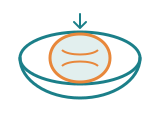
Best insert for a bowl you already own
Mighty Paw Slow Feed Bowl (Medium)
- silicone
- for dogs
- dishwasher safe
- dry / wet / raw food
A silicone insert with raised maze ridges of different heights. The maker says it is 7 in wide and 2 in high, holds up to 3 cups of dry, wet or raw food, drops into bowls 7 in wide or works alone, and is dishwasher safe. It is the lowest-effort fix if your dog likes the current bowl. Match it to the bowl's width first.
Specs from: mightypaw.com (checked 2026-10-16)
-
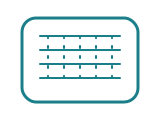
Best for wet food
Messy Mutts Lick Bowl Mat 10 in
- silicone
- for dogs
- dishwasher safe
A 10 in square silicone mat with grooves and a center bowl that holds up to 1 cup of liquid, per the maker. It is freezer safe, and the maker says it is dishwasher safe or hand wash. The grooves slow licking, but a mat has no walls, so very messy eaters may want a bowl with sides.
Worth knowing: The maker's page does not give the mat's thickness
Specs from: messymutts.ca (checked 2026-10-16)
-

Best step up in challenge
Outward Hound (Nina Ottosson) Dog Brick Treat Puzzle
- plastic
- for dogs
A treat puzzle, not a bowl. The maker calls it Level 2, with flip lids, a slide and removable bone pieces, and says to hand wash it. It suits a dog that has mastered a basic maze bowl and enjoys working for food. Use it for part of a meal, not as the only way your dog eats.
Worth knowing: The maker's page gives no dimensions
Specs from: outwardhound.com (checked 2026-10-16)
-
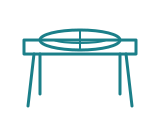
Raised option (ask your vet first)
Neater Pet Brands Neater Feeder Deluxe (Large)
- mixed
- for dogs
- top-rack dishwasher
An elevated Neater Feeder Deluxe with a stainless slow-feed bowl that the maker lists as 8.25 in across, 2.75 in tall and 3 cups. The maker says the feeder and bowls are top-rack dishwasher safe, and leg extensions add height. Raised feeding is a vet question for large and deep-chested dogs, see the bloat note below. For most dogs a floor bowl is simpler.
Worth knowing: The maker's bundle page does not list the Large bowl's dimensions; the figures given are from the maker's replacement-bowl page for the Deluxe Large; The maker's page does not give the stand's overall height
Specs from: neaterpets.com, neaterpets.com (checked 2026-10-16)
How to choose a slow feeder dog bowl
Size by meal, then by dog. Compare the cups on the maker's page with the feeding guide on your dog's food. A bowl that is too small forces split meals, and one that is too big for a toy breed has lanes a small tongue cannot work. The AKC adds that the bowl should suit your dog's face shape. Our how to choose guide goes deeper.
Maze depth versus muzzle. Deep, tall ridges slow a dog with a long muzzle but can frustrate a flat-faced dog that cannot reach the bottom. Outward Hound sells three levels (Slow, Slower, Slowest) so you can match the challenge. Start gentle: a dog that gives up or flips the bowl is not eating slower.
Material. The AKC describes plastic as light and often dishwasher safe but scratch-prone, steel as durable but light enough for an active dog to tip, and ceramic as heavy but able to chip. See our pages on stainless steel and ceramic bowls.
Cleaning. Ridges trap food. The AKC says to wash daily for dry food and after each meal for wet or raw. A dishwasher-safe bowl is a real plus, but some makers state only hand washing, which we flag on the pick card. More in our cleaning guide.
Base. A bowl that slides turns into a chase across the kitchen. Look for a maker's non-slip claim or add a mat. A heavy ceramic bowl needs less help than a light plastic one.
Other types worth knowing
If your dog already likes its bowl, a slow feeder insert is an easy way to try the idea. For wet food, see slow feeders for wet food. If your dog masters a maze quickly, puzzle feeders and lick mats add challenge. Raised stands carry a caveat, covered on the elevated feeder page.
Who shouldn't use a slow feeder
- Dogs that get stressed or guard food. If your dog panics when a bowl is hard to eat from, a puzzle can make mealtimes worse. Ask your vet or a trainer.
- Dogs with a medical reason for the way they eat. Dental pain, swallowing problems or a vet-prescribed feeding plan come first.
- Dogs that never gulp. If your dog eats at a relaxed pace, you probably do not need one.
Slow feeders and bloat
A slow feeder is not a bloat preventive. The ACVS says large, deep-chested breeds are more likely to develop gastric dilatation-volvulus (GDV), and that feeding from a raised bowl has also been suggested to raise the risk. The studies on raised bowls conflict, which the RCVS Knowledge evidence summary (linked in the sources) sets out, so ask your vet before using a stand for a large or deep-chested dog.
Worth knowing: a swollen belly, retching without bringing anything up or restlessness after a meal is an emergency, so call a vet now. Our bloat guide has the full signs and the evidence.
Not sure a slow feeder helps at all? Read do slow feeders work, or try the bowl finder.
FAQ
What is the best slow feeder dog bowl for a dog that eats very fast?
Match the maze to the muzzle first, then the size to the meal. Outward Hound rates its bowls Slow, Slower and Slowest, so a mid-level bowl is a reasonable first step for a real gulper. If your dog still finishes quickly, add a puzzle feeder for part of the meal.
What size slow feeder bowl should I buy?
Check the cups against the feeding guide on your dog's food bag, then pick the maker's size range for your dog's weight. The AKC adds that a bowl should suit the dog's face shape, so very wide or very narrow muzzles need extra thought.
Are slow feeder bowls safe?
They are a low-risk way to slow eating, but not a medical treatment. Retire a bowl that is cracked, chipped or chewed, and ask your vet before changing feeding for a dog with a health condition.
Can a slow feeder prevent bloat?
No bowl can promise that. Fast eating is one of several factors that have been studied, and the evidence is mixed. A swollen belly, retching without bringing anything up or restlessness after a meal is an emergency, so call a vet now.
Can I use a slow feeder for wet food?
Often yes. Outward Hound and Dogit say their bowls take wet or dry food, and a lick mat is made for it. Rinse soon after the meal, since wet food hardens in the ridges.
How do I clean a slow feeder bowl?
The AKC says to wash bowls daily for dry food and after each meal for wet, raw or soaked food. A bottle brush reaches into maze ridges, and a dishwasher-safe bowl saves time.